What is Platelet-Rich Plasma (PRP)?
Platelet-Rich Plasma (PRP) is a natural regenerative treatment that uses a concentrated portion of your own blood to stimulate skin repair and rejuvenation. Platelets contain growth factors that help promote collagen production, tissue repair, and improved skin quality.
Because PRP is derived from your own blood, the risk of allergic reaction is very low.
What is PRP used for?
PRP is commonly used to:
- Improve skin texture and tone
- Reduce fine lines and wrinkles
- Improve acne scarring
- Enhance under-eye skin quality
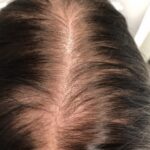
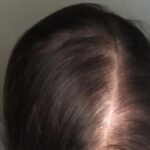
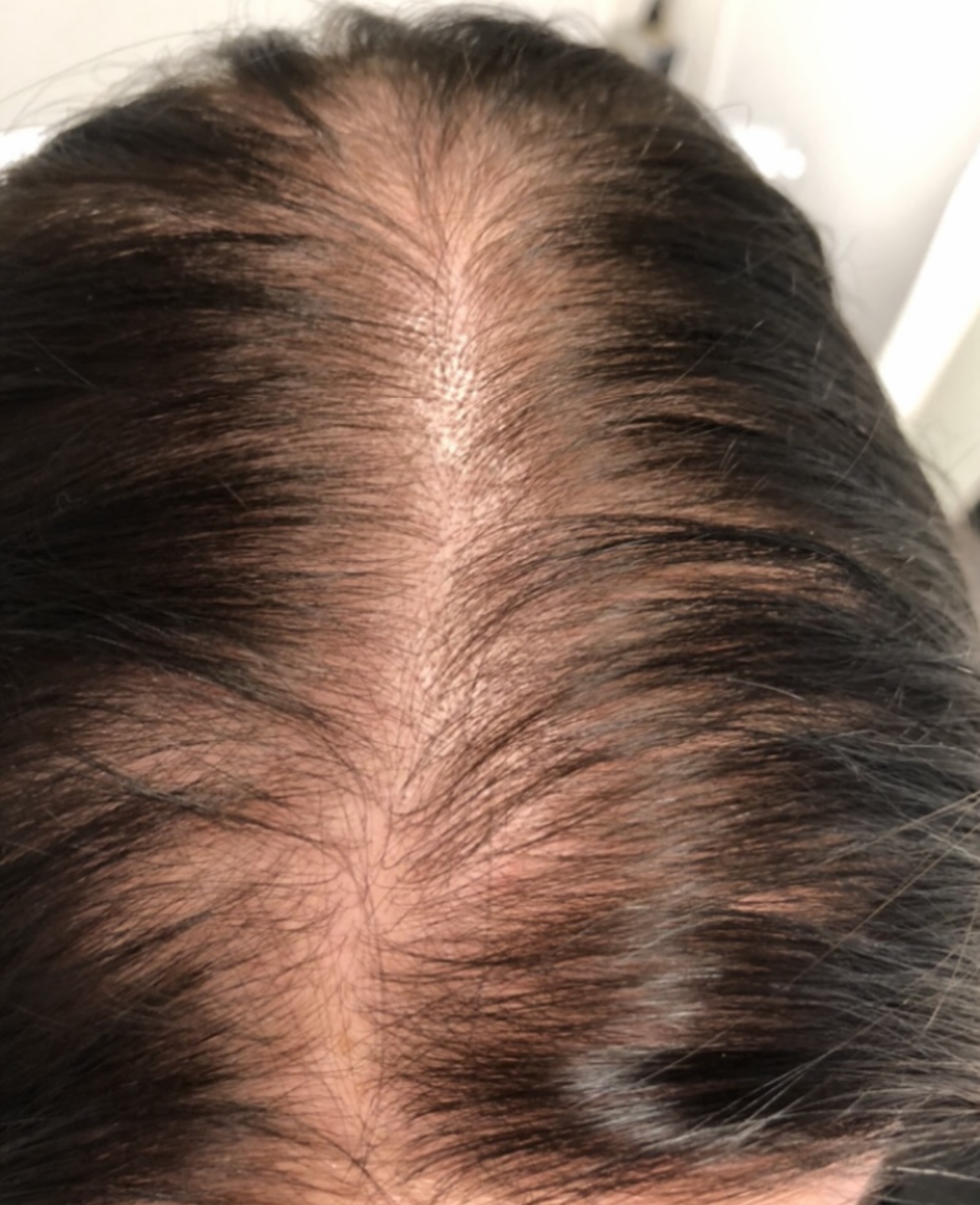
- Promote hair growth in thinning hair
- Improve overall skin health and radiance
It is often referred to as a “vampire facial” when used for facial rejuvenation.
How does PRP work?
- A small amount of blood is taken from your arm
- The blood is placed in a centrifuge to separate the platelets
- The platelet-rich plasma is collected
- PRP is injected or microneedled into the treatment area
The procedure typically takes 45–60 minutes.
What will it feel like?
- Blood collection feels similar to a standard blood test
- During treatment, you may feel mild discomfort, pressure, or stinging
- Topical numbing cream is often used to improve comfort
What results can I expect?
- Gradual improvement in skin quality over 4–12 weeks
- Skin may appear brighter, firmer, and more hydrated
- Hair treatments may show improvement after 3–6 months
- Best results often require a course of treatments
Results vary and are not guaranteed.
How long do results last?
- Skin results may last 6–12 months
- Hair restoration results can last longer with maintenance
- Ongoing maintenance treatments may be recommended
Downtime and recovery
- Mild redness, swelling, or bruising may occur
- Pin-point bleeding can occur if microneedling is used
- Most people return to normal activities within 24–48 hours
Possible side effects & risks
Common and temporary effects include:
- Redness
- Swelling
- Tenderness
- Bruising
Rare risks include:
- Infection
- Inflammation
- Nerve irritation
- Poor response to treatment
Because PRP uses your own blood, allergic reactions are extremely rare.
Who is NOT suitable for PRP?
PRP may not be suitable if you:
- Have a blood disorder or clotting disorder
- Have severe anaemia
- Have an active infection or inflammatory skin condition
- Are pregnant or breastfeeding (precautionary)
- Are taking certain blood-thinning medications
- Have cancer or autoimmune conditions (medical clearance required)
A full medical consultation is required before treatment.
Before treatment advice
- Stay well hydrated
- Avoid alcohol for 24 hours
- Avoid anti-inflammatory medications if medically safe
- Eat a light meal before your appointment
Aftercare advice
- Avoid touching the treated area for several hours
- Avoid makeup for 12–24 hours
- Avoid heat, exercise, saunas, and alcohol for 24–48 hours
- Use gentle skincare and SPF as advised
Consent & safety
PRP is a medical procedure involving blood handling and must be performed by a qualified medical professional. A consultation, medical history, and informed consent are required. Individual results vary.